MedGUIDE: Empowering Seniors with Dementia Through Smart Medication Support

As populations age across Europe, ensuring that older adults — especially those living with mild cognitive impairments — maintain both independence and safety has never been more critical. The MedGUIDE project, funded by the Active and Assisted Living (AAL) Programme, rises to that challenge by offering a ground-breaking digital ecosystem that supports medication management for seniors with dementia — and the people who care for them.
What Is MedGUIDE?
MedGUIDE is a comprehensive digital platform that brings together:
- Seniors with dementia
- Informal caregivers (family, friends)
- Medical professionals and pharmacists
Its core mission is to improve medication adherence and reduce the risks associated with polypharmacy the simultaneous use of multiple medications by leveraging smart technology and social networking.

How It Works
- Smart Monitoring
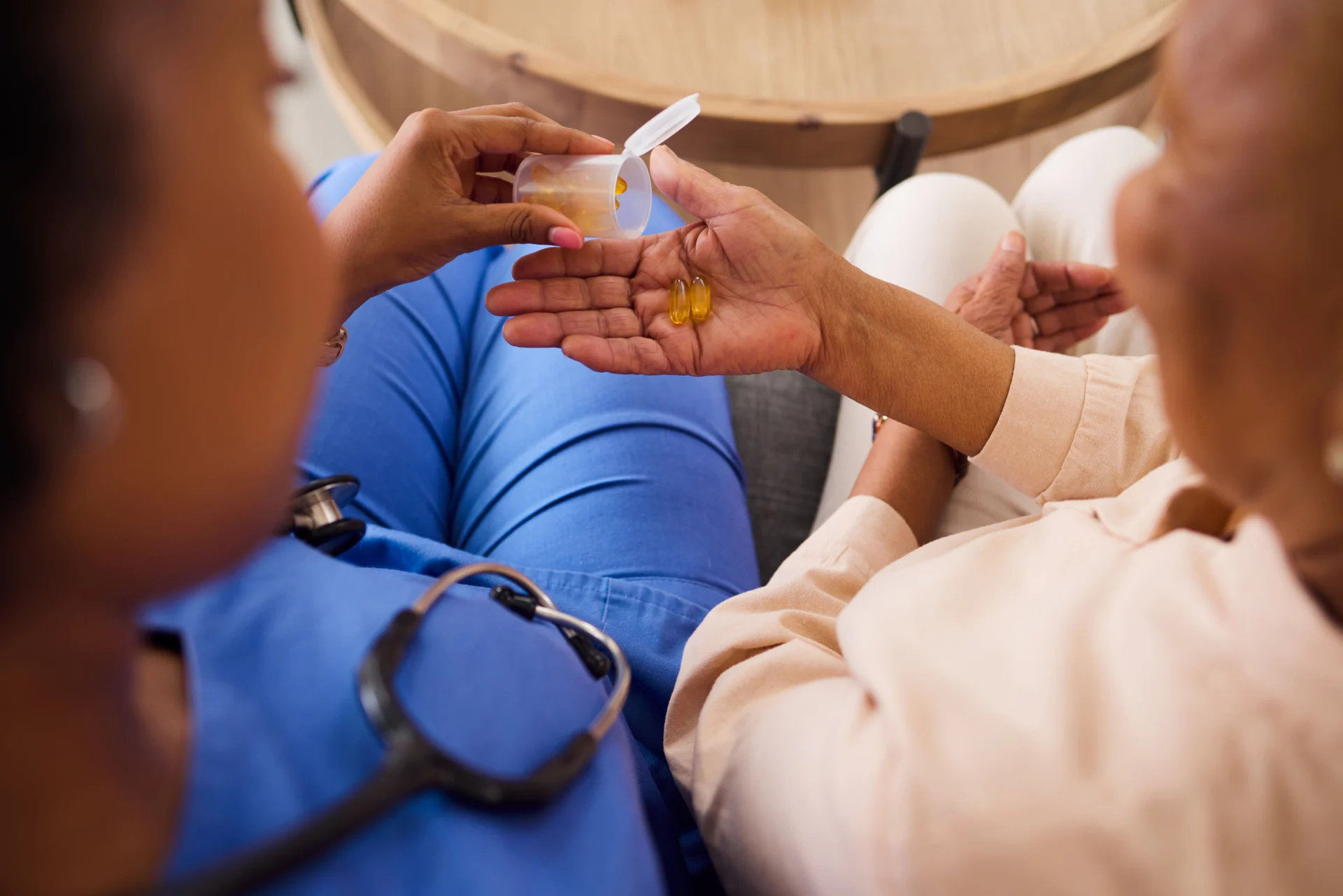
MedGUIDE uses IoT devices (like home sensors and smart pill boxes) to track daily routines: physical activity, sleep patterns, movement, nutrition, social interaction — and, crucially, medicine intake. - Self-Reporting
Alongside sensor data, users (or their caregivers) provide self-reports about feelings, side-effects, and health status via the platform. - Big Data Analytics
All collected data feed into a big-data engine that detects deviations or worrying trends — for example, missed doses or changes in behavior that might signal side effects or declining health. - Personalized Guidance
Based on insights gathered, MedGUIDE delivers tailored advice, reminders, and “roadmaps” for medication. It also notifies informal caregivers and medical professionals about significant changes or risks.
Why It Matters
- Improves Safety: Many seniors with dementia struggle with proper use of their medications. MedGUIDE helps reduce over- or under-treatment by closely monitoring real-world adherence. AAL Programme+1
- Supports Independence: By relying on technology and their own support network, older adults can stay in their homes longer instead of moving to institutional care.
- Empowers Caregivers: Family members and caregivers gain better visibility into the health and well-being of their loved ones — helping them act early when problems arise.
- Enables Smarter Care: Healthcare professionals and pharmacists can make more informed decisions by accessing real-time data on medication use and side effects.
Impact and Results
- The project was piloted in the Netherlands, Norway, and Cyprus, involving real users in field trials.
- According to reports, elderly participants appreciated the platform’s reminders and the peace of mind it gave their caregivers.
- Caregivers noted increased awareness of potential medication side effects and stronger confidence in managing complex drug regimens.
- After the project ended, further work began, including a feasibility study with a broader group of users and a collaboration with a major pharmacy chain in the Netherlands.
Behind the Project: Partners & Funding
The MedGUIDE consortium is made up of organizations from several European countries:
- ConnectedCare Services BV (Netherlands) — project coordinator
- Karde AS (Norway)
- VigiSense SA (Switzerland)
- Hogeschool Utrecht (Netherlands)
- Dutch Institute for Rational Use of Medicine (Netherlands)
- Technical University of Cluj-Napoca (Romania)
- Materia Group – AgeCare (Cyprus)
The total budget was about €2.04 million, with €1.29 million from public funding.
Why MedGUIDE Is a Model for AAL Innovation
MedGUIDE exemplifies what the Active and Assisted Living (AAL) programme is all about:
- Developing tech that enhances quality of life for older adults.
- Enabling aging in place, meaning seniors stay at home safely.
- Focusing on user-centered co-creation, involving end-users in the design and testing.
- Using data-driven insights to support better care decisions.
📸 Project Gallery